

The Big Problem
Something essential has broken in our civic life: the power of words. In a healthy democracy, persuasion—through argument, debate, and evidence—offers a way to resolve differences without force. But today, algorithmic news feeds and social media bubbles have personalized reality so deeply that many Americans no longer share even basic points of reference.
If persuasion requires some overlap in facts, values, or trust, then persuasion is failing. And when persuasion fails, violence steps in. A Reuters/Ipsos poll released this week found that most Americans now believe harsh political rhetoric is fueling political violence—an ominous sign that our democratic dialogue is cracking at its foundation.
Aristotle’s Warning
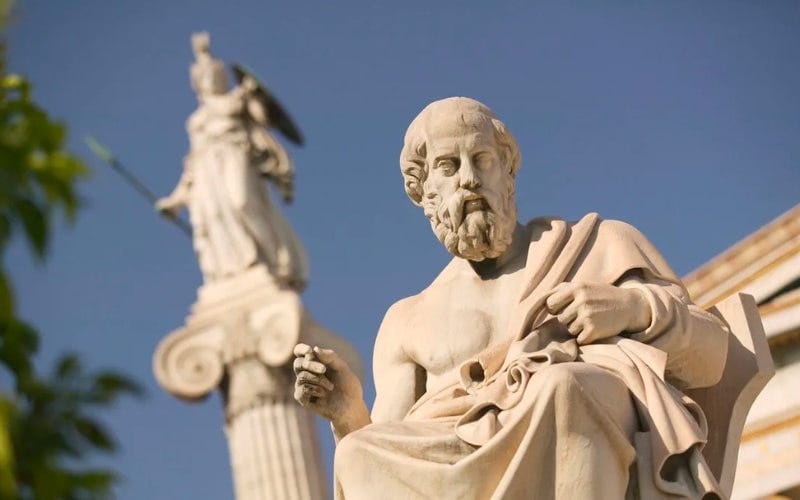
Over two thousand years ago, Aristotle taught that effective rhetoric rests on commonplaces—shared understandings that we hold in common. Ethos (credibility), pathos (emotion), and logos (logic) all depend on starting from a shared reality. A wise persuader begins where the audience already agrees and builds outward.
But today’s fractured information ecosystems have shredded those commonplaces. Instead of a town square, we inhabit algorithmic echo chambers—micro-publics where we rarely encounter other perspectives. When my news feed and your news feed bear no resemblance, argument doesn’t just become difficult; it becomes almost impossible.
Violence is Rhetorical Failure
Senator Bernie Sanders’s words after the assassination of conservative activist Charlie Kirk ring with urgency. He called the act what it was: not only a crime, but a failure of persuasion.
“Political violence, in fact, is political cowardice. It means that you cannot convince people of the correctness of your ideas, and you have to impose them through force.”
Sanders reminded us that in a free society, dissenting views must be welcomed, not silenced:
“Every American … must condemn all forms of political violence … We must welcome and respect dissenting points of view. That … is what freedom is about.”
His warning echoes Aristotle’s: when persuasion is abandoned, all that’s left is coercion. And coercion is the death of democracy.
Schools Can Rebuild the Commons
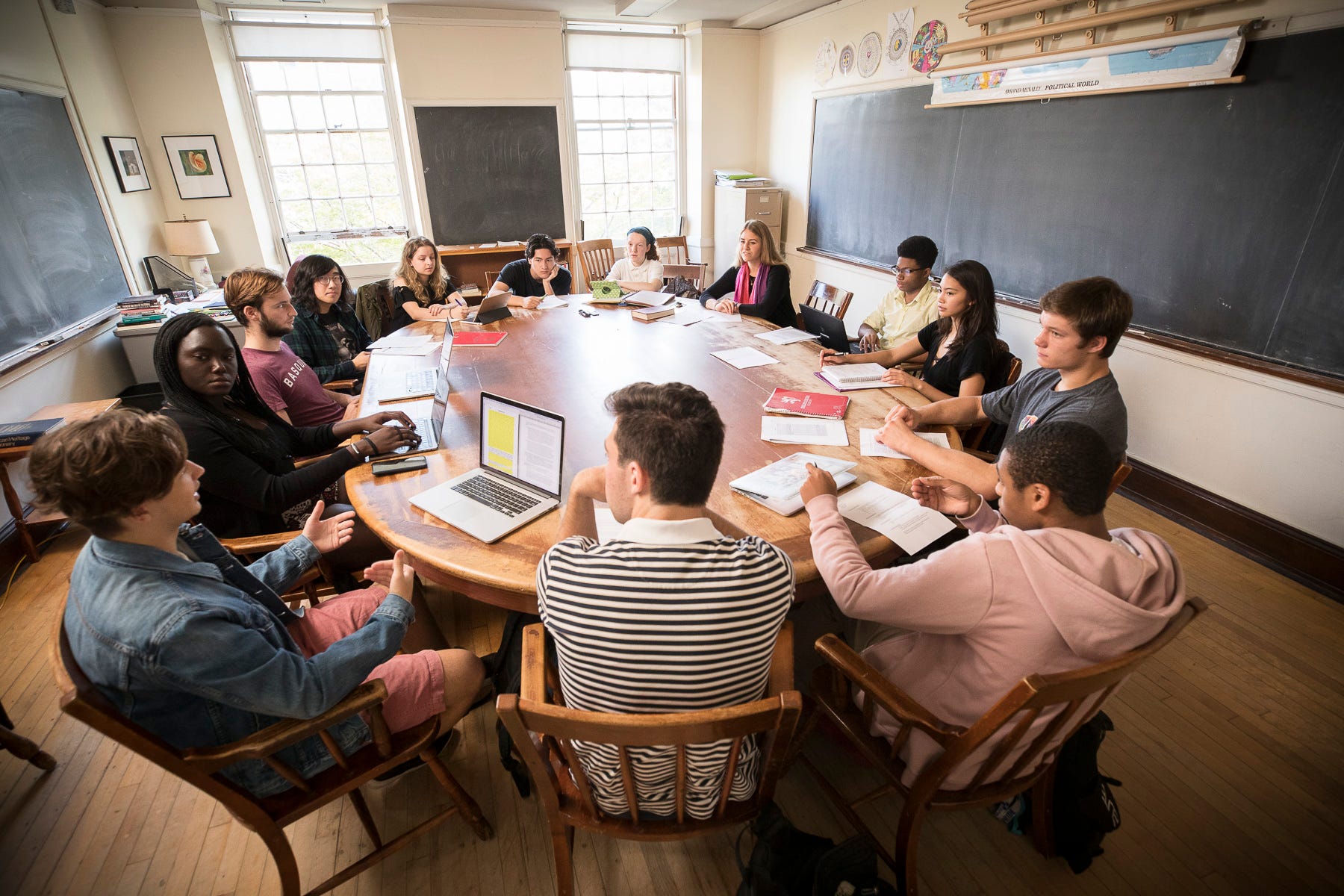
So where do we turn? To education. We cannot control the algorithms, but we can equip the next generation with the habits of argument. Structured approaches like Pressto make persuasion visible. They teach students not only to state opinions, but to support them, to connect evidence to reasoning, and to acknowledge counterclaims.
This is not just an academic exercise. It is a civic safeguard. By teaching structured writing, we give students tools to bridge divides rather than retreat into rage.
Making Persuasion Visible
One way to fight back against fractured discourse is to make argument visible again. That’s what Pressto’s Writing Blocks™ are designed to do. Each block—Claim, Evidence, Reasoning—guides students to build an argument step by step. Instead of tossing out opinions, they learn to prove them, connecting evidence to logic in ways both they and their peers can see.
It may look like a simple scaffold, but it’s more than that: it’s practice in democratic dialogue. Every time a student uses Writing Blocks™, they are rehearsing how to engage with disagreement through persuasion rather than retreat into polarization. In an age when words are doubted and devalued, helping young people show their thinking is a small but radical act—one that can restore trust in the power of argument, one classroom at a time.

The Call to Action
We are at a dangerous crossroads. If we abandon persuasion, we invite violence. If we give up on using our words and our rhetoric, how else can we persuade? But if we recommit to teaching and practicing rhetoric, we can revive democracy’s most essential muscle.
Aristotle gave us the theory. Bernie Sanders has given us a timely reminder. The rest is up to us: educators, parents, and students who must reclaim the power of words and discourse. Because when rhetoric breaks, democracy breaks with it. And when rhetoric is rebuilt, so too is the possibility of discussion, community, understanding, and , ultimately, peace.